








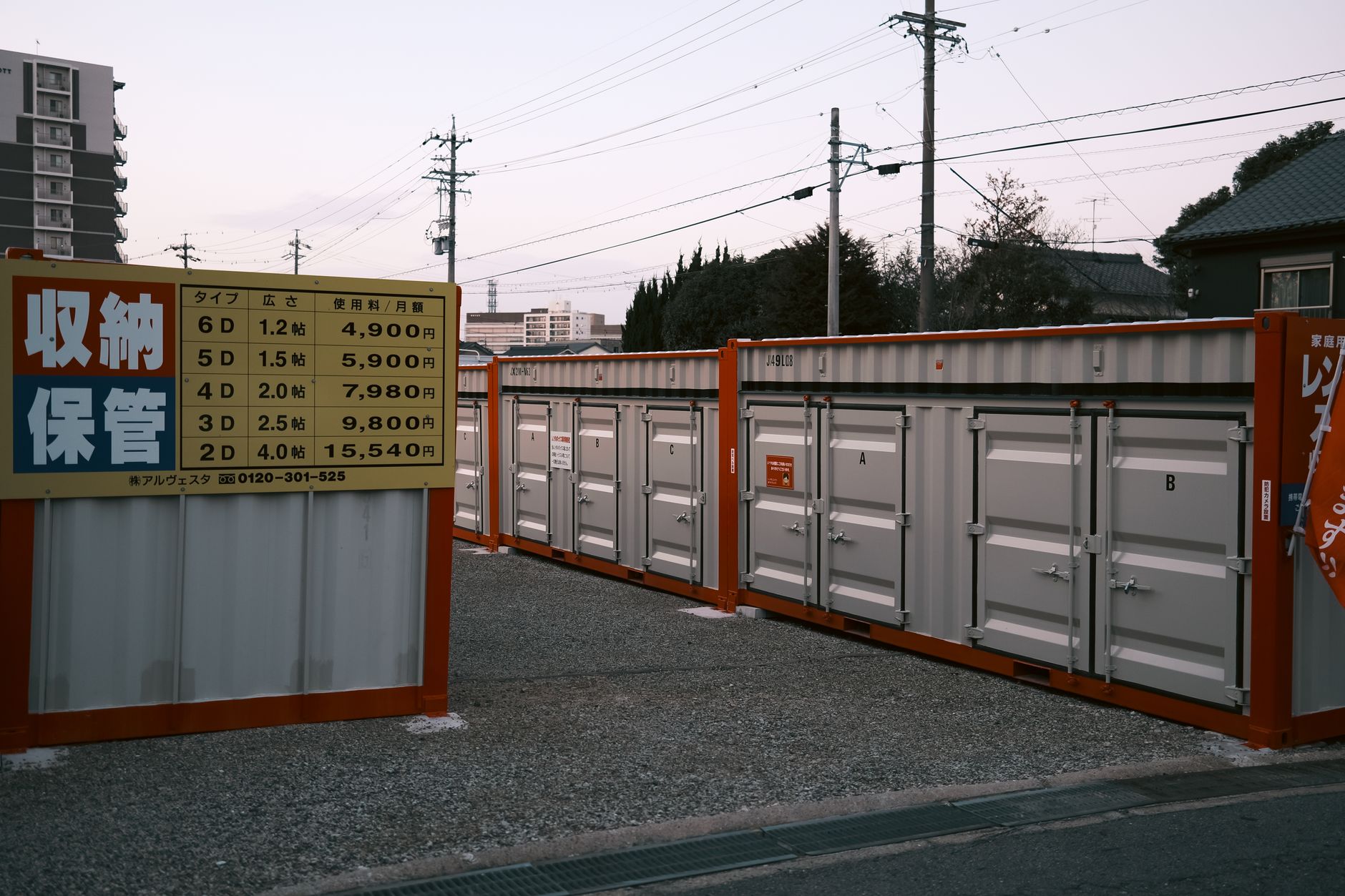
The Japanese rental deal is set to ease rental pain for many tenants facing rising housing costs. This substantial investment seeks to address ongoing challenges in the real estate market.
What is the Japanese Rental Deal?
The Japanese rental deal is a groundbreaking initiative designed to address the ongoing rental crisis affecting many urban areas. With rising costs and limited housing availability, this program aims to provide a more accessible and affordable option for tenants.
At its core, the Japanese rental deal offers a unique framework that benefits both landlords and tenants. It focuses on:
- Flexible Terms: The deal introduces flexible rental agreements, allowing tenants to choose durations that suit their needs, whether short-term or long-term.
- Subsidized Rents: The program includes subsidies for landlords to keep rents affordable, thereby reducing financial strain on tenants.
- Support Services: Tenants can access various support services, including financial counseling and legal assistance, to navigate the rental process more effectively.
- Incentives for Landlords: Landlords who participate in the deal receive tax incentives, encouraging them to maintain their properties and keep them in good condition.
This initiative represents a significant shift in how rental markets operate in Japan and could serve as a model for other countries facing similar challenges. With its focus on collaboration and mutual benefit, the Japanese rental deal aims to create a sustainable solution to the growing rental pain experienced by many.
Impact on the Rental Market
The Japanese rental deal is poised to have a significant impact on the rental market, offering solutions to ongoing challenges faced by tenants and landlords alike. This innovative approach aims to tackle affordability issues and provide greater stability in an increasingly volatile housing market.
One of the primary effects of the Japanese rental deal is its potential to lower rental costs for a broader demographic. By introducing more affordable housing options, it could alleviate the financial burdens many families face. This shift may lead to:
- Increased accessibility: More individuals and families will be able to find suitable accommodations within their budget.
- Stabilized rent prices: With more affordable units available, the pressure on rental prices may ease, creating a more balanced market.
- Encouragement of long-term leases: The deal could promote longer rental agreements, allowing tenants to settle into their living situations without the constant fear of rising rents.
Moreover, the Japanese rental deal could inspire similar initiatives in other regions, prompting a wave of reform aimed at addressing rental pain across the globe. As the market adapts to these changes, both tenants and landlords may find themselves benefiting from a more sustainable and cooperative rental landscape.
How Will This Deal Benefit Tenants?
The newly introduced Japanese rental deal offers a variety of benefits tailored to enhance the tenant experience in a challenging rental market. With rising rental costs and limited housing availability, this deal seeks to alleviate some of the pressures faced by renters.
One of the primary advantages of the Japanese rental deal is its affordability. By providing rental properties at reduced rates, tenants can enjoy a more manageable financial burden. This reduction in rent not only helps families save money but also allows them to allocate resources towards other essential aspects of their lives.
Additionally, the deal aims to improve the quality of rental properties. With a focus on maintaining and upgrading units, tenants can expect better living conditions. This includes enhancements such as modernized amenities and improved maintenance services, creating a more comfortable living environment.
Furthermore, the Japanese rental deal promotes stability for tenants. By securing longer lease terms, renters can avoid the uncertainty of frequent relocations. This stability is particularly beneficial for families and individuals seeking to establish roots in their communities.
Lastly, the deal encourages a sense of community among tenants. With lower turnover rates and a focus on tenant satisfaction, individuals are more likely to engage with their neighbors and foster a supportive living atmosphere.
Expert Opinions on Housing Solutions
Experts in the housing sector have weighed in on the recent Japanese rental deal, emphasizing its potential to alleviate ongoing rental challenges faced by many tenants. According to housing analyst Yuki Tanaka, this initiative not only aims to stabilize the rental market but also seeks to create a more sustainable environment for both landlords and tenants.
Tanaka noted, “The Japanese rental deal is a much-needed response to the rising costs of living and the increasing demand for affordable housing options.” She highlighted that the deal could lead to more competitive pricing, ultimately benefiting those who are struggling to find affordable accommodations.
Another expert, Hiroshi Sato, pointed out the significance of collaboration between government bodies and private investors in this venture. “This type of partnership is essential for developing innovative housing solutions that address the urgent needs of our communities,” he stated.
Furthermore, experts suggest that the Japanese rental deal could serve as a model for other countries grappling with similar rental crises. Maria Ito, an economist, remarked that “The success of this deal could inspire global efforts to create effective housing policies that prioritize tenant welfare while ensuring landlords can maintain their properties.”
The sentiment among housing professionals is clear: the Japanese rental deal could represent a turning point in the approach to rental pain, paving the way for a more balanced housing market.
Photo by Huu Huynh on Pexels