
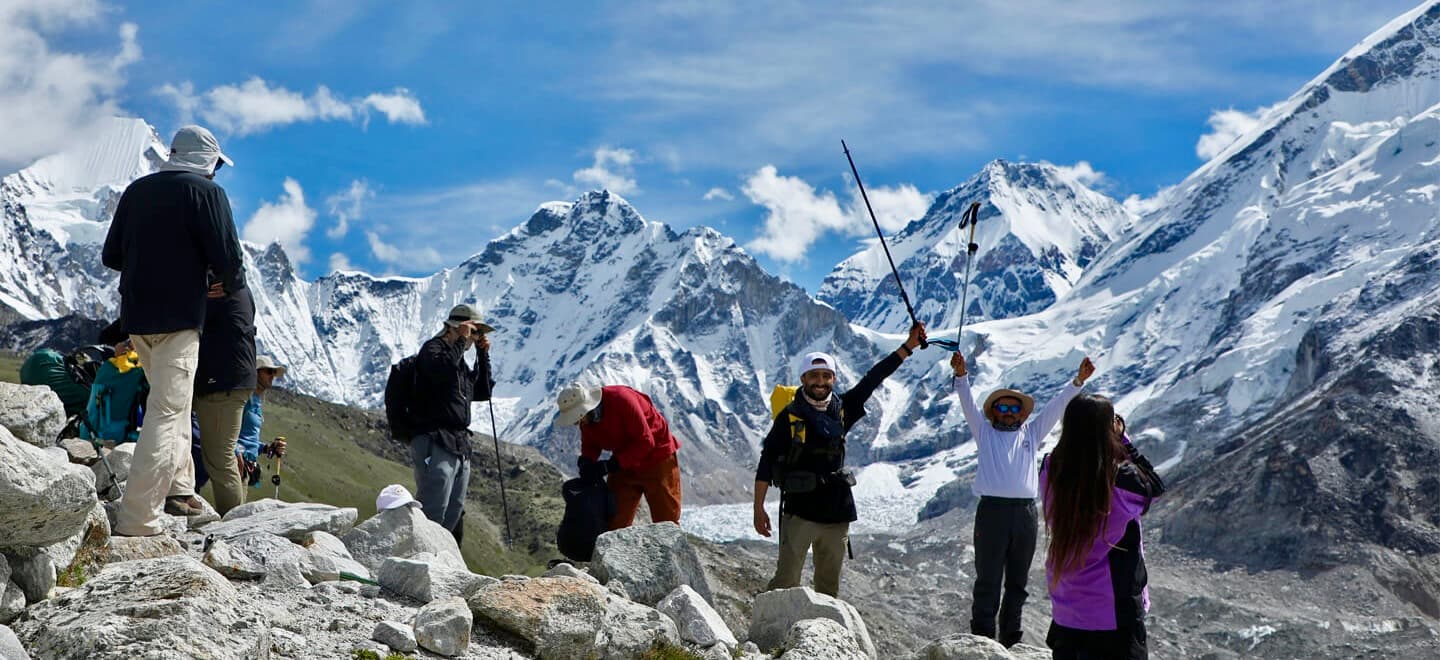
The Everest Base Camp Trek is well-known now not just for its astounding natural beauty, but also for its specific cultural background. Tall stands the mountain, icy trails glittering in the sun, even as trekkers skip by way of historic monasteries that have been halls of worship for Sherpa groups for hundreds of years. Knowing how to behave well in those sacred locations is an essential factor for everybody who goes Tibet Everest Base Camp trek 2025. Staring at neighborhood behavior and customs will make your EBC trek itinerary greater significant, more secure, and fun while enriching the humans and subculture along the way. Whether it’s recognising prayer rituals or knowledge of etiquette around clergymen, cultural sensitivity is as vital as intellectual and physical readiness in the course of high-altitude hiking.
Understanding the Role of Monasteries
In the Everest Region, monasteries are Nepali life in microcosm — places of worship but also social centers and depositories of local history. Going to a monastery in your Everest base camp trek from Kathmandu, You get to observe daily prayers, traditional ceremonies, and sacred relics. We have to remember that these are very spiritual places. Though most tips for trekking to Everest base camp focus on acclimatization and logistics, cultural etiquette is just as important. For trekkers visiting monasteries, if you come in humility and with a sense of quietness, respecting the local way of doing then it would be really appreciable. Understanding the significance of monasteries on your Everest Base Camp trek map means that your visit will be more culturally sensitive and all the more rewarding for it.
Observing Dress Codes and Modesty
Wearing clothes is one of the easiest courtesies or etiquette guides in a monastery. Hiking is welcome, so visitors often wear casual, weather-appropriate clothing, but monasteries also request modesty. Modest attire that covers shoulders and knees is the norm. Avoid bright or gaudy clothes to express your respect. Trekking for the Everest Base Camp trek 2025 Street Children of Nepal. For trekkers who are getting ready to take on the Everest Base Camp trek 2025, a lightweight scarf or shawl can help conform with local dress requirements. The idea of appropriate dressing reflects respect for monks, nuns, and local people devoted to Buddhism. And it’s these little things, the small touches that leave you with a lovely impression as you travel on your Spiritual (or non-spiritual) journey of the Everest Base Camp trek with either a local agency or a guided group.
Behavior and Conduct Inside Monasteries
There are certain rules a visitor should follow when visiting monasteries. To start: No whispering, no loud laughing or talking, and nothing physical. Photography is sometimes limited, or permitted only at certain places, so always ask for permission from monks or guides. There are also important, if not all, EBC trekking tips that concern cultural experience. The absence of any intrusions during prayer rituals enables trekkers to enjoy the spiritual aspect in its purest form. It pays to treat monks and other visitors with resprespect it reflects well on trekkers and guarantees the sustainability of these sanctuaries for future Everest base camp trek or tour packages.
Participating Respectfully in Rituals
Hikers may encounter many opportunities to participate in or simply observe rituals, including the lighting of butter lamps and spinning prayer wheelsCautiousus and respectful participation may be given your instructions from locals or your Everest Base Camp trek guide. Many Rituals are symbolic and may have spiritual meaning that should be respected. Even just sitting there watching and being that attentive and still is a scan of our own attitudes towards them. Learning about these customs is part of getting ready for a rewarding Everest Base Camp trek from Kathmandu because it combines a fascinating physical feat with stepping into the lives of high-altitude people.
Understanding Donations and Offerings
Some monasteries depend on gathering and donations for maintenance and local support. Guide to doing Poojas. A common practice is that trekkers are advised to make a small offering, usually money, or flowers, etc. Do be careful when giving and not giving gifts, and respect local customs for distributing donations. Donations should be discreet and demonstrate respect for local traditions and the sacred nature of the shrine. Doing so also deepens the experience of your Everest Base Camp trek 2025 by adding to cultural immersion and helping communities that provide accommodation along the Everest Base Camp trek route.
Navigating Monasteries at High Altitude
Cultural and Physical considerations for visiting monasteries in the Everest Base Camp trek. You may feel exhausted due to high-altitude conditions, and fatigue can also cause Everest Base Camp Trek altitude sickness, so pacing is crucial. This is your planning stop at the monasteries on your Everest Base Camp trek map to make sure you are getting enough rest and cultural value from such experiences. Hydration and acclimation to the altitude are just as critical as adhering to monastery etiquette. It is the signature of the responsible trekker to thread physical limitations and cultural sensitivities together, particularly when booking (and only do so with a local agency) an Everest Base Camp helicopter return trek or multi-day excursion.
Final Considerations: Cultural Sensitivity in the Context of Trekking
Observing good manners in monasteries makes the EBC trek experience a spiritual one, more than just a physical accomplishment. Respectful attire, quiet behaviour, attentive prayer or meditation with the monks and villagers, and donations when they are required, encourage good relationships between monks and travellers. Everest base camp trek 2025 trekkers need to include these cultural activities in the itinerary of the whole Everest Base Camp trek, to make sure that all their stops during the journey count. Cultural sensitivity and physical preparedness, Everest Base Camp trek permits, and high-altitude safety are integrated into the overall trekking experience. In showing humility and respect to monasteries, trekkers enrich their experience and help preserve a spiritual heritage in the Everest Region.
Adhering to the correct etiquette also enables anyone planning a visit in the future can benefit from similar cultural abundance, so yourEverestt Base Camp trek package experience is sustainable and highly rewarding. Even from considering what to wear, all the tips for the Everest base camp trek apply: culturally aware trekking ensures that even your pre-trek research into an Everest base camp guide and how you are supposed to interact (using my list of tips for Everest base camp) instantly turns the journey into a story lived rather than simply a trip undertaken. Regardless of whether you are traveling with a local agency of your choice or desire, making sure you honor the sacred spaces along the way will make your Everest Base Camp trek from Kathmandu far more than just a physical challenge and a cultural experience. Etiquette when visiting monasteries in the Everest Region.