


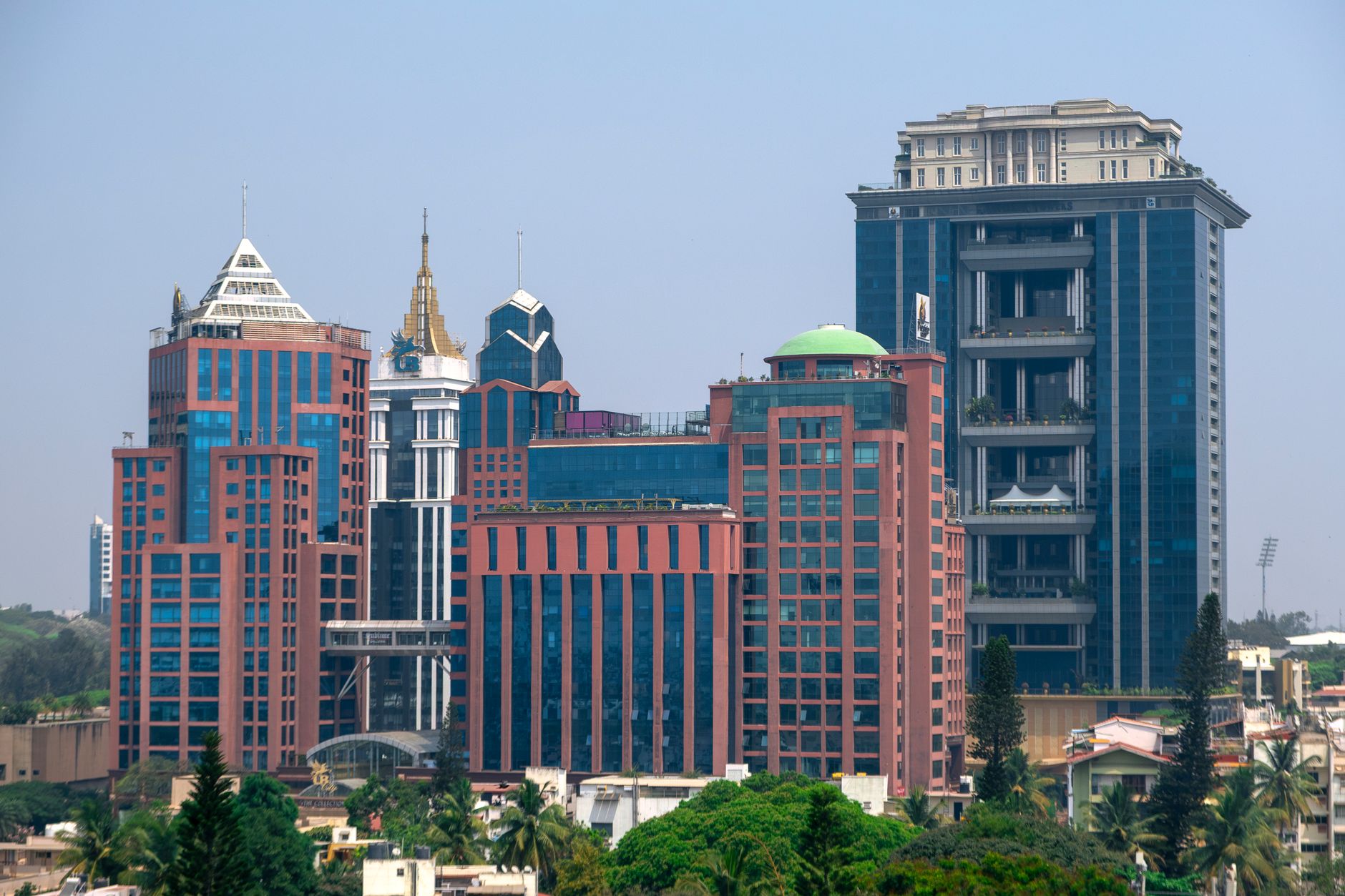
Bengaluru infrastructure plans are set to be reviewed by CM Shivakumar. This meeting will focus on BDA projects and their impact on the city’s growth.
Overview of Bengaluru Infrastructure Plans
The city of Bengaluru is undergoing a significant transformation as the government reviews its crucial infrastructure plans. With a focus on enhancing urban mobility and sustainability, these initiatives aim to address the growing challenges faced by residents and commuters alike.
Bengaluru infrastructure plans have been a topic of discussion among city planners and government officials, especially with the upcoming review led by Chief Minister Shivakumar. The agenda includes a variety of projects that have proven successful in other cities, and the emphasis will be on implementing these strategies effectively.
Key projects under consideration include:
- Integrated Public Transport System: Aiming to streamline different modes of transport for better connectivity.
- Smart Traffic Management: Utilizing technology to reduce congestion and improve traffic flow.
- Waste Management Initiatives: Implementing sustainable practices to handle waste more efficiently.
- Pedestrian and Cycling Infrastructure: Developing safe pathways to encourage non-motorized transport.
As the review date approaches, stakeholders are hopeful that the revitalized Bengaluru infrastructure plans will lead to a more livable and efficient city, catering to the needs of its rapidly growing population.
Key BDA Projects Under Review
The Bengaluru Development Authority (BDA) is currently reviewing several key infrastructure plans aimed at improving the city’s connectivity and urban development. These projects are expected to play a vital role in enhancing the overall quality of life for residents. As part of the ongoing discussions, the following projects are under consideration:
- Peripheral Ring Road: This ambitious project is designed to ease traffic congestion by connecting major highways around the city, enabling smoother transit for commuters.
- Grade Separated Junctions: To address the issue of traffic bottlenecks, the implementation of grade separated junctions is planned at critical intersections.
- Urban Mobility Plan: A comprehensive strategy that focuses on improving public transport systems, including the expansion of metro rail services and bus rapid transit corridors.
- Lake Rejuvenation Initiatives: These projects aim to restore and maintain the ecological health of Bengaluru’s lakes, which are crucial for the city’s water supply and biodiversity.
- Smart City Projects: Incorporating technology into urban management, these initiatives will enhance civic amenities and ensure better service delivery.
These infrastructure plans are essential for the future of Bengaluru, ensuring that the city can accommodate its growing population while maintaining a sustainable urban environment.
Impact of Infrastructure on Real Estate
The infrastructure landscape of Bengaluru is undergoing a transformative phase, with various projects aimed at enhancing connectivity and urban living. The impact of these infrastructure developments on the real estate market cannot be overstated. As the city continues to expand, the demand for residential and commercial spaces is increasingly influenced by the quality and accessibility of infrastructure.
Recent initiatives in Bengaluru infrastructure plans are expected to boost property values and attract investments. Some key impacts include:
- Increased Accessibility: Improved roads, metro lines, and public transport systems make previously inaccessible areas more desirable, leading to a rise in property demand.
- Enhanced Livability: Well-planned infrastructure contributes to better amenities, parks, and recreational spaces, making neighborhoods more attractive to potential buyers.
- Business Opportunities: Infrastructure upgrades often stimulate economic growth, attracting businesses and creating job opportunities, which in turn drives up the need for housing.
- Investment Potential: Areas earmarked for future infrastructure projects tend to see a surge in real estate investment as developers anticipate future demand.
In conclusion, the ongoing and upcoming Bengaluru infrastructure plans are set to play a pivotal role in shaping the city’s real estate dynamics, making it crucial for stakeholders to stay informed and adaptable.
CM Shivakumar’s Vision for Bengaluru
Chief Minister Shivakumar’s vision for Bengaluru is aimed at transforming the city through a series of ambitious infrastructure plans. With a keen focus on sustainability and accessibility, these plans intend to address the pressing needs of the rapidly growing urban population.
In his recent address, Shivakumar highlighted the importance of innovative projects that not only improve connectivity but also enhance the overall quality of life for residents. Some of the key components of his vision include:
- Expansion of Public Transport: Aiming for an integrated public transport system that includes metro, bus, and water transport to reduce traffic congestion.
- Smart City Initiatives: Implementation of smart technology solutions to manage resources efficiently and ensure safety and security in urban areas.
- Green Spaces Development: Increasing the number of parks and recreational areas to promote healthier lifestyles and environmental sustainability.
- Road Infrastructure Improvements: Upgrading existing roads and building new ones to facilitate smoother traffic flow.
These proposed projects are crucial to the future of Bengaluru, as they align with the overall vision to create a more livable and efficient city. The focus remains firmly on enhancing the city’s infrastructure to keep pace with its rapid growth and evolving needs.
Challenges in Implementing Infrastructure Plans
Implementing infrastructure plans in Bengaluru presents a myriad of challenges that can hinder progress and effectiveness. One of the primary issues is the rapid urbanization that the city has experienced over the past few decades, leading to increased demand for efficient transportation and utilities. As the population grows, the existing infrastructure struggles to keep pace, resulting in congestion and inadequate services.
Additionally, there are significant land acquisition hurdles that often stall projects. Many proposed sites are contested due to ownership disputes, and negotiations with landowners can be lengthy and contentious. This situation complicates the timely execution of infrastructure plans.
Financial constraints also pose a challenge, as funding for large-scale projects often depends on various governmental and private sources. Economic fluctuations can affect the availability of finances, leading to delays or cancellations of important initiatives.
Moreover, bureaucratic red tape and regulatory approvals can slow down project timelines. The interplay between different government agencies can lead to inefficiencies that further delay implementation.
Lastly, there is a pressing need for community engagement to ensure that the infrastructure plans align with the needs of residents. Without proper communication and involvement, projects may face resistance from the public, complicating the execution of Bengaluru’s infrastructure plans.
The recent discussions on Bengaluru infrastructure plans highlight several innovative projects that have successfully transformed urban mobility. By examining these Bengaluru infrastructure plans, the city can identify scalable solutions for its growing transportation challenges.
Photo by Aditya Oberai on Pexels
References
You might also like
Prestige Group’s Smart Move: Acquires Allure Developers for ₹524 Cr · Next-Gen Laundry Solutions: Are They Worth the Hype? · ATS flat cancellation: What is the proven impact on buyers?