
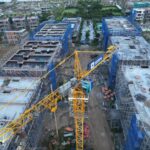

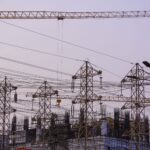






Lebanon housing project has stalled due to a lack of applicants, raising concerns about its viability and future impact on the local market.
Current Status of Lebanon Housing Project
The current status of the Lebanon housing project remains troubling, as recent reports indicate significant delays and an alarming lack of interest from potential applicants. Initially designed to provide affordable housing solutions, the project has faced numerous challenges, leading to its stagnation.
Despite the government’s investment of $2 million, only a small number of applicants have come forward, raising questions about the project’s viability and public appeal. Various factors contribute to the low turnout:
- Economic conditions: The ongoing economic crisis in Lebanon has left many citizens struggling to meet their basic needs, making housing an even lower priority.
- Awareness: There appears to be a lack of information regarding the benefits and eligibility criteria of the housing initiative.
- Trust issues: Many potential applicants express skepticism about the project’s execution and whether it will truly deliver on its promises.
As the situation stands, the Lebanon housing project continues to be the worst stalled initiative, with no clear path forward.
Reasons for Low Applicant Numbers
The Lebanon housing project, which was initially anticipated to provide affordable housing solutions, has faced significant challenges due to low applicant numbers. Several reasons have contributed to this disappointing turnout.
- Economic Instability: The ongoing economic crisis in Lebanon has left many families struggling to make ends meet, discouraging them from applying for housing initiatives.
- Lack of Awareness: Many potential applicants remain unaware of the benefits and availability of the Lebanon housing project, limiting outreach efforts that could engage the community.
- High Costs: Despite the aim of affordability, the associated costs of applying and maintaining a new home may still be beyond the reach of many citizens.
- Eligibility Criteria: Stringent eligibility requirements may exclude a significant portion of the population, further reducing the number of applicants.
These factors combined have turned what was once a promising initiative into one of the worst stalled projects in recent memory.
Impact on Local Housing Market
The stalled Lebanon housing project has had significant repercussions on the local housing market, which was already facing challenges prior to its initiation. With the project now at a standstill, many potential homeowners are left in limbo, exacerbating the ongoing housing crisis in the region.
Local real estate prices have begun to reflect the uncertainty surrounding the initiative. As fewer new developments are underway, the demand for existing housing has surged, leading to:
- Increased Prices: Home prices are climbing, making it even harder for average families to afford housing.
- Rent Hikes: Landlords are capitalizing on the situation, raising rents in tandem with the inflated market.
- Investment Hesitance: Investors are wary of committing to new projects, fearing they may face similar delays.
The overall stagnation in the local housing market highlights the broader implications of the Lebanon housing project’s failure, leaving many to wonder what the future holds for affordable housing in the area.
Future Prospects for Development
As stakeholders reflect on the future prospects for the Lebanon housing project, optimism remains tempered by the project’s current setbacks. Experts suggest that revitalizing interest among potential applicants is crucial to moving forward. To address this, several strategies could be implemented:
- Community Engagement: Increasing engagement with local communities might enhance awareness and stimulate interest in the housing project.
- Incentives for Applicants: Offering financial incentives or benefits to applicants could encourage more individuals and families to consider participation.
- Partnerships with NGOs: Collaborating with non-governmental organizations could help in reaching underrepresented populations and improving outreach.
- Streamlining Application Processes: Simplifying the application procedure may alleviate concerns and attract a larger pool of applicants.
Ultimately, the success of the Lebanon housing project hinges on these strategic initiatives, which could revive interest and steer the stalled project back on track.
Photo by Antoun Boustani on Pexels