








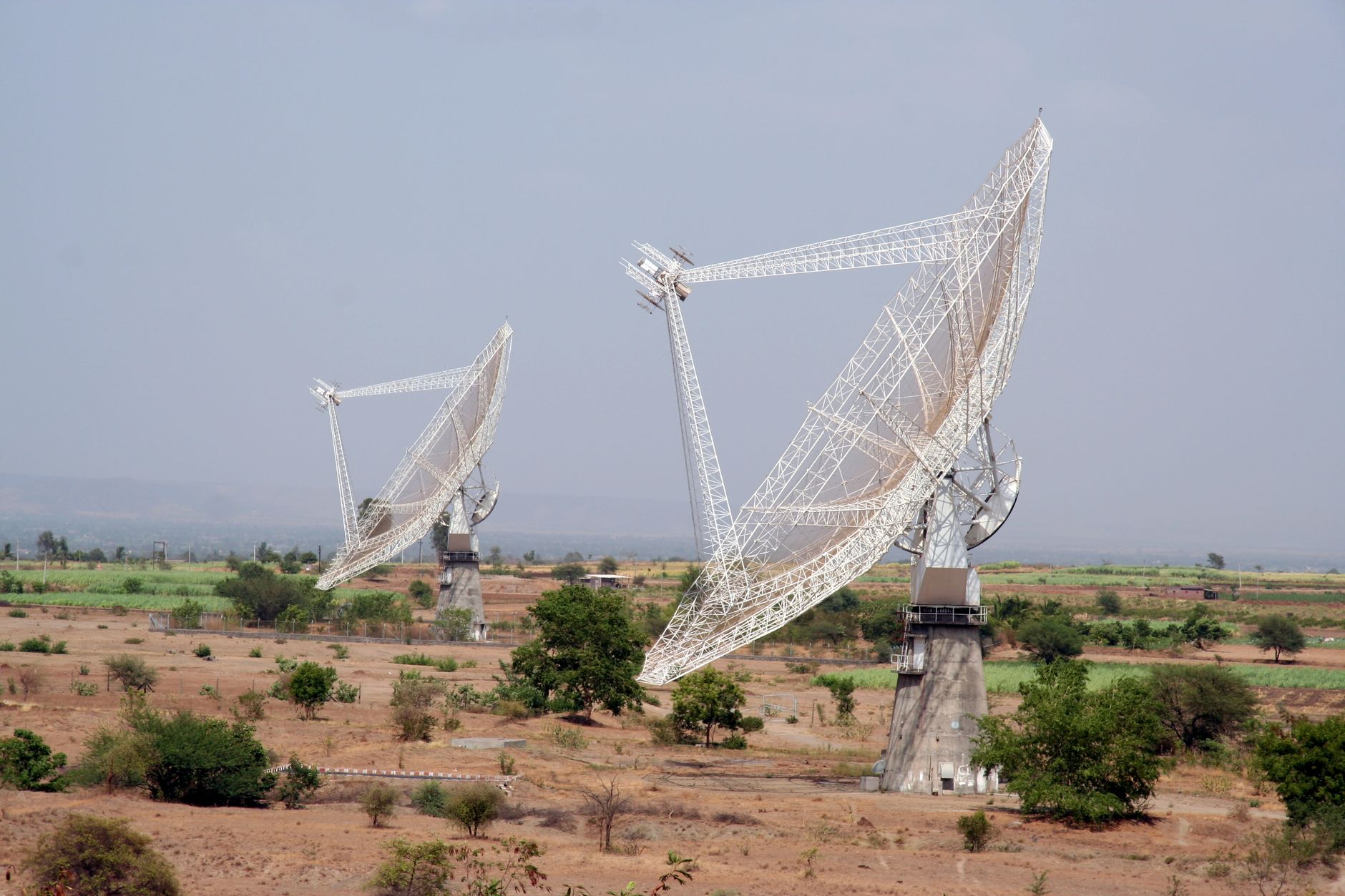
The POWERGRID Pune-West project marks a significant achievement for the company in the competitive TBCB bidding process.
Overview of the POWERGRID Pune-West project
The POWERGRID Pune-West project has emerged as a significant milestone in the realm of power transmission in India, particularly under the framework of Tariff-Based Competitive Bidding (TBCB). This project involves the establishment of a 765kV Gas Insulated Switchgear (GIS) substation aimed at enhancing the transmission capacity and reliability of the power grid.
The successful bid for this intrastate project showcases POWERGRID’s commitment to modernizing the electrical infrastructure and meeting the growing energy demands of the region. Key features of the project include:
- Enhanced Transmission Efficiency: The GIS technology allows for a more compact design, reducing land usage while improving operational efficiency.
- Increased Reliability: The project aims to minimize outages and increase the stability of power supply in the Pune region.
- Support for Renewable Energy: It plays a crucial role in integrating renewable energy sources into the grid.
Through the POWERGRID Pune-West project, the organization continues to lead the charge in developing India’s power transmission landscape.
Impact of GIS technology on infrastructure
The integration of GIS technology has significantly transformed the landscape of infrastructure development, particularly in the context of the POWERGRID Pune-West project. This advanced technology facilitates the efficient planning, design, and management of electrical grids, enabling real-time monitoring and control.
One of the key impacts of GIS is its ability to enhance decision-making processes. By providing detailed geographical information, stakeholders can identify optimal routes for transmission lines and assess environmental impacts more effectively. This not only improves project efficiency but also reduces costs associated with delays and modifications.
Additionally, GIS technology supports better communication among teams, ensuring that everyone is aligned on project objectives and timelines. The POWERGRID Pune-West project exemplifies how leveraging GIS can lead to successful outcomes in TBCB bidding, ultimately contributing to the reliable delivery of power across the region.
In conclusion, the adoption of GIS technology is proving to be a game-changer in the energy sector.
Understanding the TBCB bidding process
The TBCB (Tariff-Based Competitive Bidding) process is a crucial mechanism for the allocation of infrastructure projects in the power sector. It aims to ensure transparency and competitiveness in awarding contracts. Under this framework, bidders submit their proposals, which are evaluated based on financial viability and technical capability.
In the context of the POWERGRID Pune-West project, this bidding process has proven to be an effective means of securing quality infrastructure at competitive rates. Bidders must demonstrate not only their technical expertise but also their ability to deliver projects within designated timelines and budgets.
Furthermore, the TBCB process encourages innovation and efficiency, as companies strive to present the most attractive offers. This competitive landscape fosters a culture of continuous improvement and cost-effectiveness, ultimately benefiting consumers and stakeholders in the energy sector.
Future prospects for POWERGRID in India
The successful execution of the POWERGRID Pune-West project under the TBCB framework sets a promising precedent for future infrastructure developments in India. As the nation continues to invest in enhancing its power transmission capabilities, POWERGRID is well-positioned to leverage this momentum.
Key prospects for POWERGRID include:
- Expansion of Renewable Energy Integration: With a growing emphasis on sustainable energy sources, POWERGRID can play a crucial role in facilitating the integration of renewable energy into the national grid.
- Technological Advancements: Continued investment in advanced technologies like GIS will enhance operational efficiency and reliability in power transmission.
- Strategic Partnerships: Collaborations with other stakeholders in the energy sector can lead to innovative solutions and improved project delivery timelines.
- Geographical Expansion: The success of the Pune-West project can pave the way for similar projects in other regions, reinforcing POWERGRID’s dominance in the transmission sector.
Overall, the future of POWERGRID in India looks bright, with numerous opportunities on the horizon.
Photo by Sachin Kumar Wadhwa on Pexels
Read the original
Related stories
Ultra-Luxury Hotel Saint-Tropez: The Best Sea View Escape · Shanghai Grand Opera House: The Best Experience Awaits You · Themed Super Hotels: The Best Proven Accommodations in Can Gio