






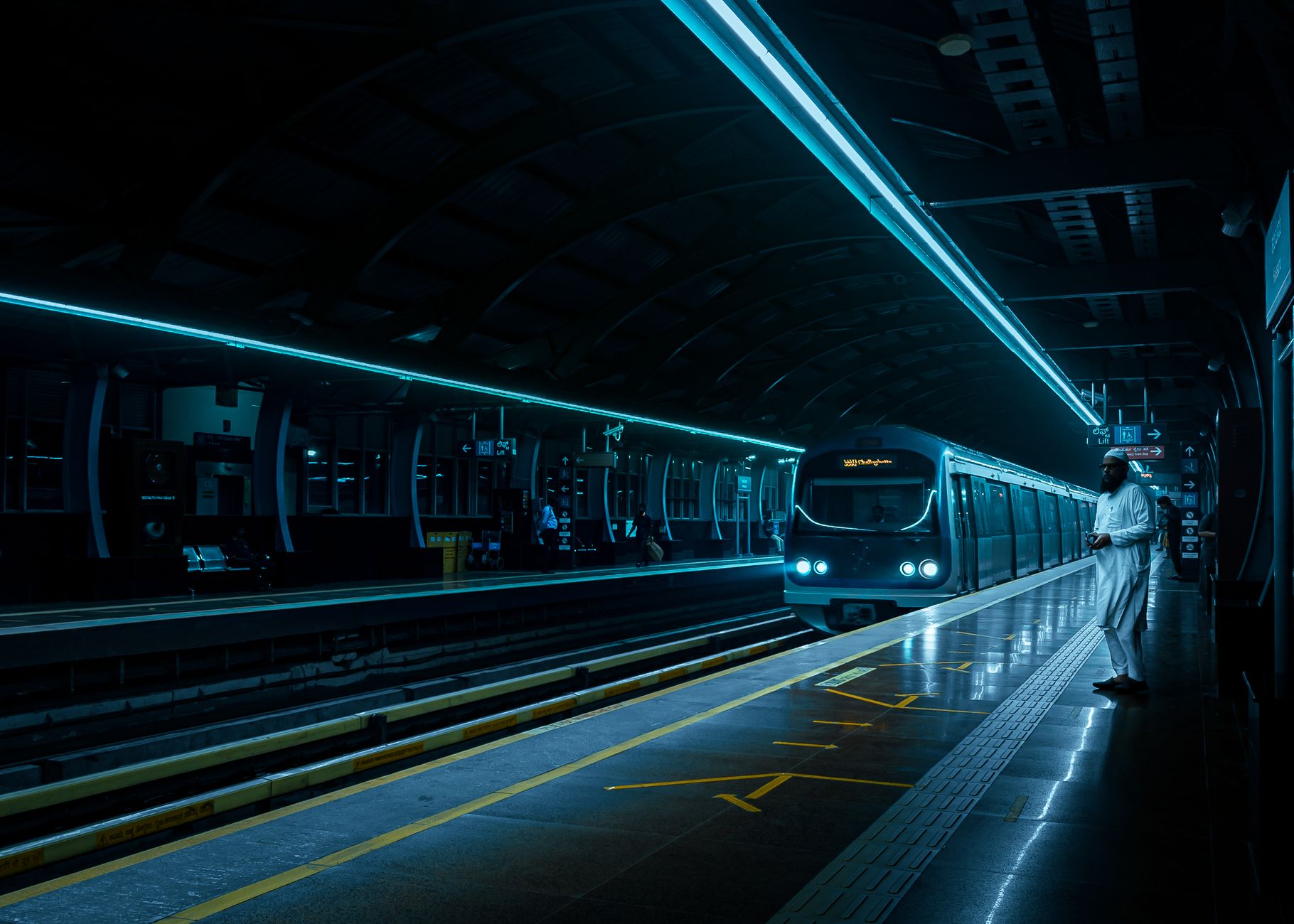
Bengaluru Namma Metro has reached 100 km, a significant milestone for the city’s infrastructure. The recent opening of the Pink Line has sparked discussions amid ongoing funding disputes.
Overview of Bengaluru Namma Metro
Bengaluru Namma Metro, the city’s expanding metro rail system, has recently celebrated a significant milestone by reaching a total operational length of 100 kilometers with the inauguration of the Pink Line. Despite this achievement, the project is currently embroiled in a funding dispute that raises questions about its future expansions and sustainability.
The Namma Metro project, initiated to alleviate traffic congestion and promote public transport, has been a vital infrastructure development for the city. It not only aims to enhance connectivity among various neighborhoods but also supports the government’s objectives of reducing vehicular emissions and improving air quality.
As the metro network grows, it faces challenges such as:
- Funding Issues: Ongoing disputes regarding financial contributions from both state and central governments.
- Construction Delays: Frequent interruptions due to land acquisition problems and regulatory approvals.
- Public Sentiment: Mixed reactions from citizens regarding the impact of construction on daily life and local businesses.
The future of the Bengaluru Namma Metro depends on resolving these funding disputes while ensuring that the project remains on track to meet the transportation needs of its growing population. With ongoing discussions among stakeholders, the hope is to find a sustainable solution that will allow the metro to continue its expansion and serve the residents effectively.
Recent Developments in Pink Line
The recent opening of the Pink Line in Bengaluru Namma Metro has marked a significant milestone, bringing the total length of the metro network to 100 kilometers. This expansion comes amid ongoing discussions surrounding funding disputes that have raised concerns about the project’s future.
Despite the controversies, the new Pink Line is expected to enhance connectivity across the city, providing residents with a reliable mode of transportation. Key features of the Pink Line include:
- Extended Reach: The Pink Line connects vital areas, making it easier for commuters to access business districts and residential neighborhoods.
- Improved Infrastructure: The addition of this line introduces modern facilities and amenities to enhance the commuter experience.
- Environmental Benefits: By promoting public transport, the Pink Line aims to reduce traffic congestion and lower carbon emissions.
As the city celebrates this achievement, the backdrop of funding disputes highlights the complexities involved in large-scale infrastructure projects. Stakeholders are urged to find a resolution to ensure the continued growth and sustainability of the Bengaluru Namma Metro. The successful launch of the Pink Line represents not only a step forward for urban mobility but also a challenge to navigate the financial intricacies that accompany such ambitious developments.
Impact of Funding Disputes
The ongoing funding disputes surrounding the Bengaluru Namma Metro have significant implications for the city’s transport infrastructure. As the metro network continues to expand, reaching a milestone of 100 km with the recent opening of the Pink Line, the unresolved financial issues threaten to hinder future development and operational efficiency.
One major concern is the potential delay in project timelines. Disputes over funding allocations can lead to setbacks in construction schedules, impacting not only the completion of new lines but also the maintenance of existing services. Commuters relying on the metro for daily travel may face increased congestion on the roads as alternative transport options become limited.
Additionally, the lack of clarity regarding financial support affects investor confidence. Stakeholders may be hesitant to commit resources without assurance that funding disputes will be resolved, which could stall future phases of the Bengaluru Namma Metro expansion. This uncertainty may also result in decreased public support for the metro system, as residents become frustrated with delays and incomplete projects.
Furthermore, the funding disputes could impact operational funding. If financial resources are not secured, the quality of service may decline, leading to longer wait times and reduced frequency of trains. The overall goal of providing a reliable and efficient public transport system might be compromised if these issues are not addressed promptly.
Future Plans for Namma Metro
The future plans for Bengaluru Namma Metro involve significant expansions aimed at enhancing connectivity across the city. As the metro network recently achieved a milestone of 100 kilometers with the opening of the Pink Line, discussions surrounding its future have gained momentum.
Key proposals include:
- Extension of Existing Lines: Plans are underway to extend the Pink Line further into underserved areas, providing residents with better access to the metro system.
- New Lines and Corridors: Several new metro corridors are being proposed, which will connect major residential and commercial hubs, facilitating smoother travel for commuters.
- Integrated Transport Solutions: Future developments aim to integrate the Namma Metro with other modes of transportation, including bus services and suburban rail, to create a seamless travel experience.
- Sustainability Initiatives: Emphasis will be placed on adopting eco-friendly technologies and practices, ensuring that the expansion of Namma Metro aligns with sustainable urban development goals.
Local authorities are optimistic that these expansions will not only improve public transport efficiency but also contribute to the reduction of traffic congestion in the city. However, the success of these plans will depend on resolving ongoing funding disputes and securing necessary financial support.
Public Reaction to Metro Expansion
As the expansion of Bengaluru Namma Metro continues to generate significant interest, public reaction has been mixed, reflecting both excitement and concern among residents. Many citizens express enthusiasm over the increased accessibility and convenience that the new Pink Line offers. Ravi Kumar, a daily commuter, shared, “The new line will cut down my travel time significantly. It’s a game-changer for those of us relying on public transport.”
However, not all feedback has been positive. Some locals have voiced concerns regarding the ongoing funding disputes that have plagued the project. Anjali Rao, a resident near one of the stations, stated, “While I appreciate the new line, I worry about potential delays and the impact of these funding issues on future expansions.”
Furthermore, a group of activists has raised alarms about the environmental implications of the metro’s expansion. They argue that while the metro is a step towards reducing traffic congestion, it should not come at the cost of green spaces in the city. “We need to ensure that our development is sustainable,” mentioned Suresh Patil, an environmentalist.
Public forums and discussions have become platforms for residents to voice their opinions, highlighting the importance of transparency in the funding process. Many hope for swift resolutions to the disputes, allowing Bengaluru Namma Metro to fulfill its promise of enhanced urban mobility.
The ongoing funding dispute has raised concerns about the future of the Bengaluru Namma Metro project. Stakeholders are now seeking solutions to ensure the timely completion of the Bengaluru Namma Metro infrastructure.
Photo by vasuchandran mv on Pexels
Sources
Related reading
Bengaluru Namma Metro: Best Guide to New Pink Line Opening · ALIVAA Hotels Ayodhya: The Best Proven Experience Awaits · Disney Toy Drive: The Best Way to Give Back This Season