








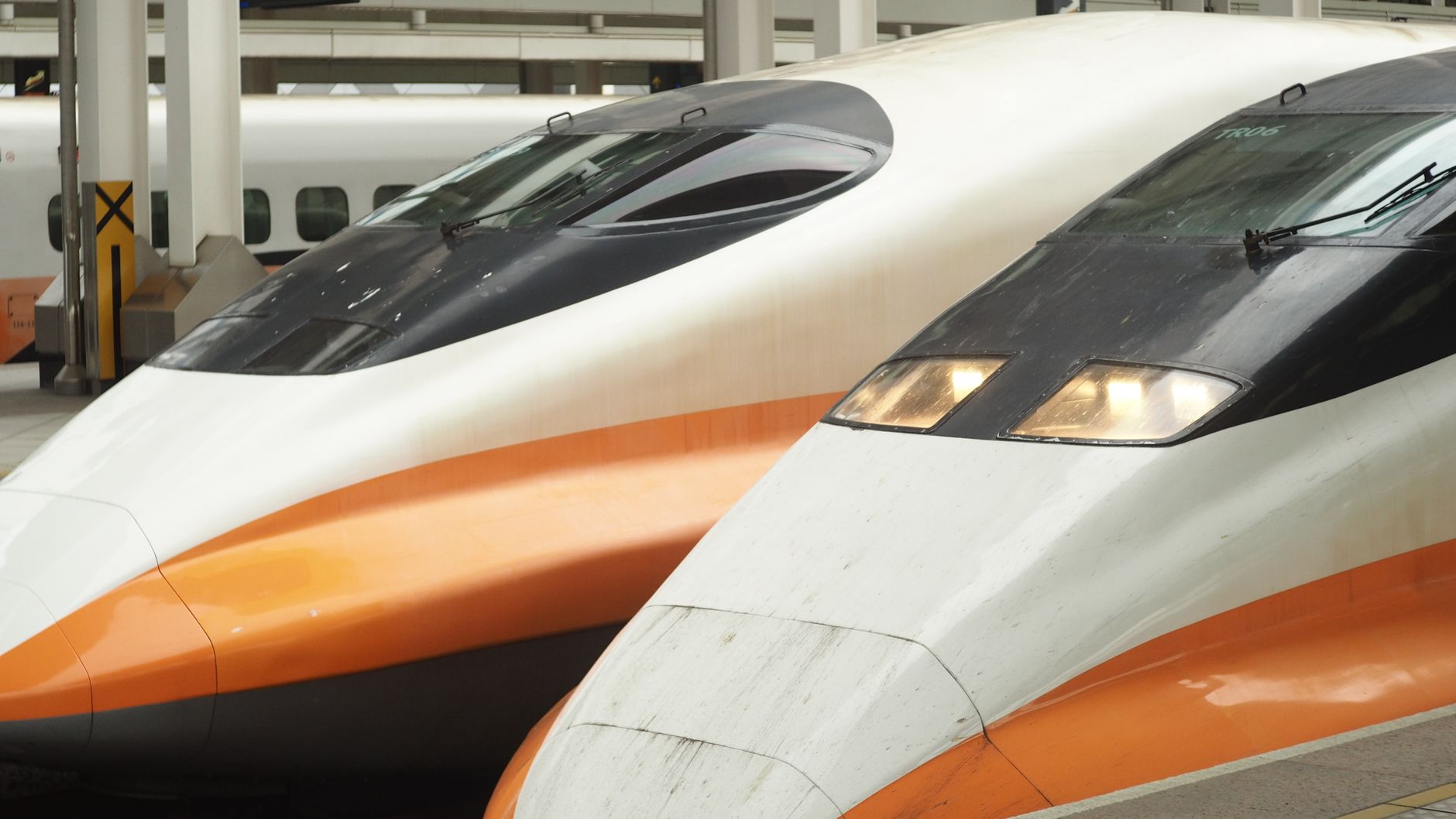
Bullet Train Contract has secured a significant ₹228.78 crore design consultancy contract for two 350 kmph corridors, marking a major milestone in India’s rail development.
Overview of the Bullet Train Contract
The recent announcement of the Bullet Train Contract awarded to a SYSTRA–led joint venture marks a significant milestone in India’s ambitious high-speed rail project. With a budget of ₹228.78 crore, this design consultancy contract focuses on developing two corridors capable of operating at speeds of up to 350 kmph.
The winning consortium brings together a wealth of experience in railway design and engineering, promising to deliver innovative solutions tailored for the demands of high-speed travel. The contract is pivotal in shaping the future of rail transport in India, highlighting the government’s commitment to modern infrastructure.
Key aspects of the project include:
- Design and engineering of the railway systems.
- Integration of advanced technology for efficiency and safety.
- Collaboration with local and international stakeholders.
This Bullet Train Contract is set to revolutionize the commuting experience, making travel faster and more convenient across major urban centers.
Details of the Design Consultancy Win
The recent win of the Bullet Train Contract has generated significant interest in the infrastructure sector. The SYSTRA-led joint venture has been awarded a ₹228.78 crore Design Consultancy Contract to develop two high-speed corridors capable of reaching speeds of 350 kmph.
This contract marks a major milestone in India’s push towards modernizing its rail network. The design consultancy will focus on several critical aspects:
- Route Planning: Identifying the most efficient paths for the bullet train.
- Station Design: Creating user-friendly and accessible station environments.
- Safety Measures: Implementing state-of-the-art safety protocols for passengers.
- Environmental Considerations: Ensuring minimal impact on local ecosystems.
With this contract, the aim is to enhance connectivity and provide a faster alternative for travelers across the region.
Impact on India’s Rail Infrastructure
The recent Bullet Train Contract awarded to a SYSTRA-led joint venture marks a significant milestone for India’s rail infrastructure. The contract, valued at ₹228.78 crore, is expected to revolutionize the country’s high-speed rail capabilities, paving the way for faster and more efficient travel.
As India moves towards modernizing its rail network, the introduction of bullet trains will not only reduce travel time between major cities but also enhance the overall passenger experience. Key impacts include:
- Improved Connectivity: The new corridors will connect urban centers more efficiently, promoting economic growth.
- Environmental Benefits: High-speed trains are generally more eco-friendly compared to traditional modes of transport, reducing carbon footprints.
- Job Creation: The construction and operation of bullet train services are expected to generate numerous employment opportunities.
Ultimately, the successful implementation of this design consultancy will serve as a foundation for future rail projects across India.
Future of High-Speed Rail Projects
The future of high-speed rail projects in India appears promising with the recent awarding of the Bullet Train Contract to the SYSTRA-led joint venture. This contract, valued at ₹228.78 crore, marks a significant step towards enhancing the country’s rail infrastructure and promoting sustainable transportation.
As India aims to revolutionize its railway system, the successful implementation of these bullet train corridors will likely set a benchmark for similar projects in the region. The design consultancy is expected to leverage advanced technology and innovative engineering solutions, ensuring that the new lines operate at speeds of up to 350 kmph.
Key benefits anticipated from the Bullet Train Contract include:
- Reduction in travel time between major cities.
- Boost to economic growth through improved connectivity.
- Promotion of eco-friendly travel alternatives.
Overall, the future of high-speed rail in India looks bright, paving the way for modernization and efficiency in transportation.
Photo by mingche lee on Pexels