




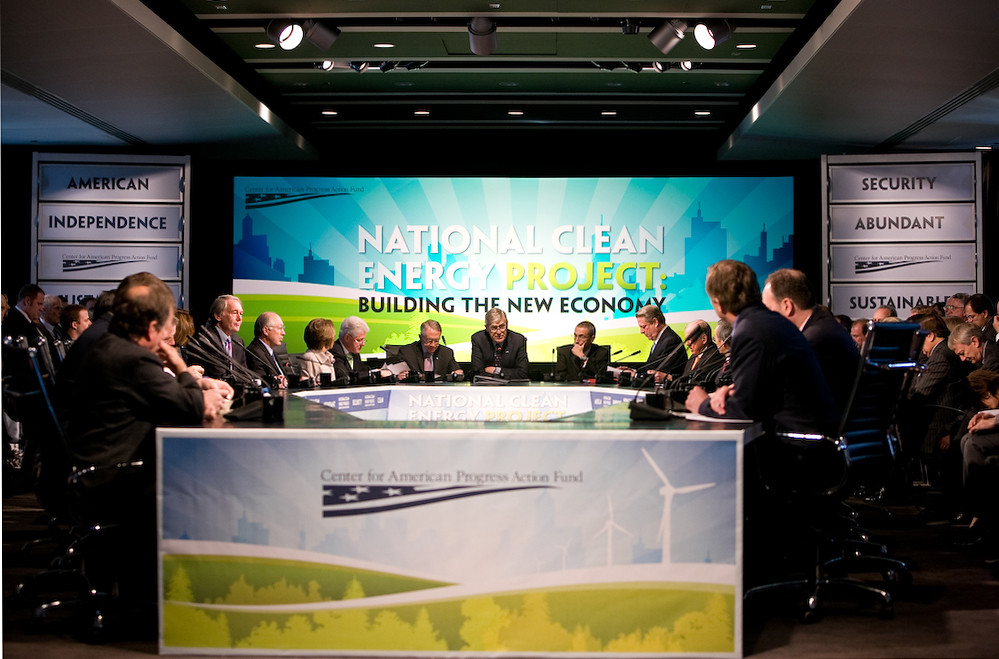
Clean energy projects are becoming increasingly vital in today’s world. Recently, August Energy secured $15M to expand these initiatives across Asia, signaling a strong commitment to sustainability.
Overview of August Energy’s Expansion
August Energy has recently secured $15 million in funding to accelerate its clean energy projects across Asia. This strategic expansion aims to address the growing demand for sustainable energy solutions in the region. With a focus on innovative technologies and community engagement, August Energy is poised to make significant strides in renewable energy production.
The company plans to implement various initiatives that will enhance its clean energy portfolio. Key components of the expansion include:
- Solar Power Development: August Energy will invest in large-scale solar farms, harnessing the abundant sunlight available in many Asian countries.
- Wind Energy Projects: By exploring wind energy potential, the company aims to diversify its energy sources and reduce reliance on fossil fuels.
- Energy Storage Solutions: To ensure stability and reliability, August Energy will focus on developing advanced energy storage systems that can store excess energy generated during peak production times.
- Community Partnerships: Engaging local communities is a priority, as the company seeks to involve residents in renewable energy initiatives, fostering both economic growth and environmental stewardship.
Through these efforts, August Energy not only contributes to a greener future but also positions itself as a leader in the clean energy sector across Asia. The funding marks a pivotal moment in the company’s trajectory, promising exciting developments in the renewable energy landscape.
The Importance of Clean Energy in Asia
Clean energy projects are becoming increasingly vital in Asia as nations strive to meet their energy demands while minimizing environmental impact. With rapid industrialization and urbanization, the region faces significant challenges related to energy consumption and pollution.
Governments across Asia are recognizing the importance of transitioning to renewable energy sources. This shift not only helps reduce carbon emissions but also enhances energy security and promotes sustainable economic growth. In countries like China and India, investments in clean energy projects have surged, with a focus on solar, wind, and hydropower.
Several factors contribute to the growing emphasis on clean energy in Asia:
- Policy Initiatives: Governments are implementing ambitious policies to promote renewable energy, including subsidies, tax incentives, and renewable energy targets.
- Technological Advancements: Innovations in energy storage and grid management technologies are making clean energy more reliable and accessible.
- International Collaboration: Regional partnerships and international funding are facilitating the development of large-scale clean energy projects.
- Public Awareness: As awareness of climate issues grows, public support for clean energy initiatives is increasing, pushing governments to act.
Overall, the transition to clean energy in Asia is essential for achieving long-term sustainability and combating climate change.
Investment Trends in Renewable Energy
Investment trends in renewable energy are witnessing a significant shift as governments and private sectors increasingly prioritize clean energy projects. The global demand for sustainable solutions has driven investments in various renewable technologies, from solar and wind to hydroelectric and biomass.
Recent statistics indicate a record influx of capital into the clean energy sector, with a particular emphasis on innovative projects that enhance energy efficiency and reduce carbon footprints. This trend is not only transforming the energy landscape but also creating numerous job opportunities worldwide.
Key factors influencing these investment trends include:
- Government Policies: Many countries are implementing supportive regulations and incentives aimed at accelerating the transition to renewable energy sources.
- Technological Advancements: Innovations in energy storage and grid management are making renewable energy more accessible and reliable.
- Corporate Sustainability Goals: Companies are increasingly committing to sustainability, driving demand for clean energy projects to meet their environmental targets.
- Public Awareness: A growing awareness of climate change and environmental issues is pushing consumers to favor brands that prioritize sustainability.
As the clean energy sector continues to evolve, investment strategies are likely to adapt, focusing on scalability and efficiency to maximize the impact of renewable energy initiatives across the globe.
Challenges Facing Clean Energy Projects
Despite the growing momentum towards clean energy projects, several challenges hinder their successful implementation. One of the primary obstacles is the high initial capital costs. Many renewable energy technologies, such as solar panels and wind turbines, require significant upfront investment, which can deter potential investors and stakeholders.
Another challenge is the regulatory landscape. In many regions, inconsistent policies and regulations create uncertainty for developers of clean energy projects. This lack of clarity can result in delays or increased costs, making it difficult for projects to move forward efficiently.
Additionally, there are technical challenges associated with integrating renewable energy sources into existing power grids. The variability of resources like solar and wind can complicate energy supply, necessitating advanced storage solutions and grid management strategies.
Moreover, public acceptance plays a critical role in the development of clean energy projects. Local communities may resist new installations due to concerns about environmental impacts or changes in land use. Engaging with these communities and addressing their concerns is essential for the success of renewable initiatives.
Lastly, competition from traditional energy sources remains a significant hurdle. Fossil fuels often benefit from established infrastructures and subsidies, making it challenging for clean energy projects to compete on price. Overcoming these challenges will be imperative for the continued growth and success of clean energy initiatives.
Success Stories in Clean Energy
As the demand for renewable energy surges, several clean energy projects have emerged as beacons of success, demonstrating effective strategies that can be replicated worldwide. One notable example is the solar power initiative in India, where extensive collaboration between government entities and private investors has led to a significant increase in solar capacity. This project showcases the power of strategic partnerships in driving innovation and sustainability.
Another success story comes from Denmark, where wind energy has been at the forefront of the country’s energy transition. The Danish government’s commitment to renewable energy, combined with robust investments in technology, has resulted in wind turbines generating about 47% of the nation’s electricity. This figure exemplifies how ambitious policy frameworks can foster a thriving clean energy sector.
In the United States, the rise of community solar projects illustrates a move towards inclusivity in clean energy initiatives. These projects allow residents to invest in solar energy without the need for personal installations, thereby democratizing access to clean energy resources. As more communities embrace this model, the potential for widespread adoption of renewable energy grows.
These examples highlight the diverse strategies employed in successful clean energy projects. By learning from these successes, other nations can adapt and implement similar approaches, ultimately accelerating the global transition to sustainable energy solutions.
Future of Clean Energy Initiatives
The future of clean energy initiatives looks promising as countries around the world are increasingly recognizing the importance of sustainable energy sources. With the rising urgency to combat climate change, clean energy projects are becoming central to national and global strategies.
Governments and private sectors are collaborating to create innovative solutions that not only address environmental concerns but also stimulate economic growth. Some of the most effective strategies for advancing clean energy initiatives include:
- Investment in Research and Development: Continued funding in R&D is essential for discovering new technologies that can enhance the efficiency and affordability of renewable energy.
- Public-Private Partnerships: Collaboration between governmental bodies and private enterprises can lead to more robust clean energy projects, combining resources and expertise.
- Incentives and Subsidies: Financial support for renewable energy initiatives can encourage more businesses and households to adopt clean technologies.
- Community Engagement: Involving local communities in clean energy projects ensures that initiatives are tailored to meet specific needs and gain public support.
As these strategies unfold, the landscape of clean energy will continue to evolve, paving the way for a sustainable future. With the backing of significant investments, like those seen with August Energy’s recent expansion, the realization of ambitious clean energy projects is increasingly within reach.
Government Policies Supporting Clean Energy
Governments around the world are increasingly recognizing the importance of clean energy projects and are implementing policies to support their development and expansion. These initiatives can significantly influence the success of renewable energy ventures, ensuring a robust framework for sustainable growth.
One of the key strategies used by governments is the introduction of financial incentives. These can include:
- Tax credits for companies investing in renewable technologies.
- Grants to fund research and development in clean energy.
- Subsidies for consumers who adopt solar panels or electric vehicles.
Additionally, many governments are setting renewable energy targets, mandating a certain percentage of energy to come from clean sources. These targets encourage utility companies to innovate and invest in clean energy projects.
Moreover, regulatory frameworks are being established to streamline the approval process for renewable energy installations. This includes simplifying permitting procedures and reducing bureaucratic hurdles, which can often delay project implementation.
Finally, international cooperation plays a crucial role, with countries sharing best practices and technological advancements. By working together, nations can accelerate the transition to clean energy, significantly impacting global sustainability efforts.
Community Impact of Renewable Projects
The implementation of clean energy projects has a significant impact on local communities, influencing not only the environment but also economic development and social cohesion.
As renewable energy sources gain traction, communities are experiencing a range of benefits:
- Job Creation: The establishment of clean energy projects often leads to the creation of new jobs in construction, maintenance, and management, providing employment opportunities for local residents.
- Economic Growth: Investments in renewable energy stimulate local economies, attracting further investment and promoting ancillary businesses, which can lead to a more vibrant economic landscape.
- Energy Independence: By investing in clean energy infrastructure, communities can reduce their reliance on imported fossil fuels, enhancing energy security and self-sufficiency.
- Environmental Benefits: Clean energy projects contribute to reduced greenhouse gas emissions and improved air quality, leading to healthier living conditions for community members.
- Social Engagement: The development of these projects often fosters community involvement and awareness regarding sustainable practices, encouraging residents to engage actively in environmental stewardship.
In summary, the community impact of renewable projects extends beyond just energy production. By adopting clean energy initiatives, localities can bolster their economies, improve public health, and foster a sense of collective responsibility towards the environment.
By Center for American Progress Action Fund via Openverse
Sources
Dealroom · Clean Energy Project
Related stories
Portugal house prices see worst rise in EU this quarter · HDB resale prices dip: Clear signs of market shift · Apple Home Hub: Best Smart Home Device for Your Needs