
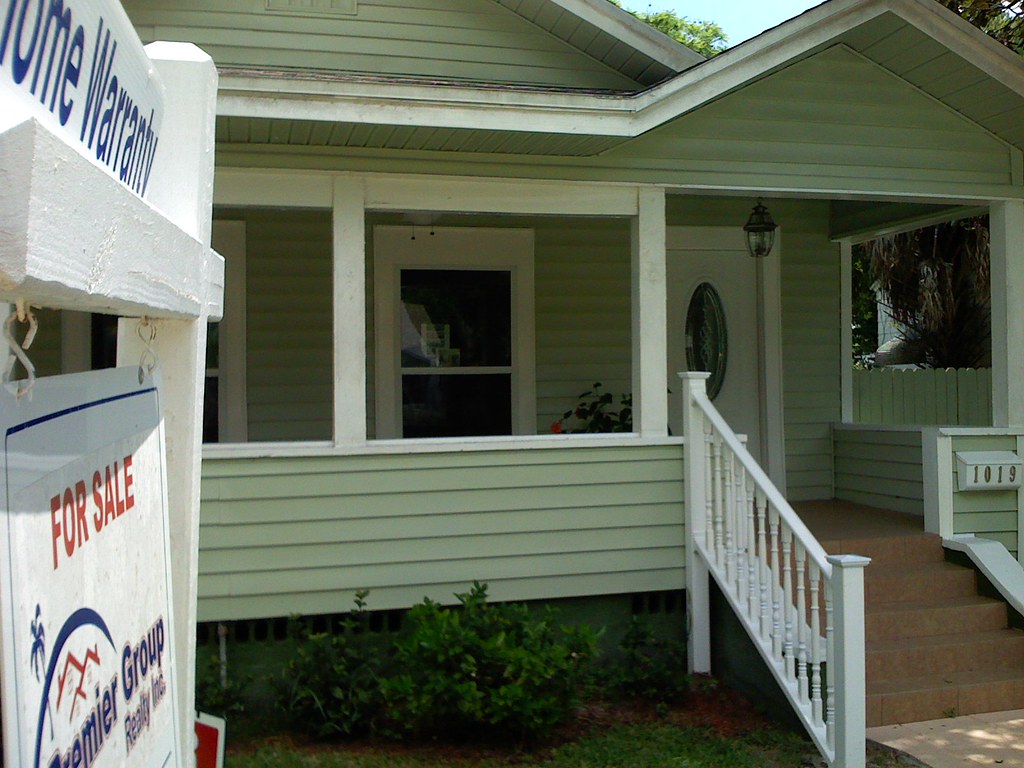
Florida housing crisis is escalating, with Miami-Dade facing a significant 118,000-home shortage. A new $53 million project aims to address this urgent issue.
Understanding the Florida Housing Crisis
The Florida housing crisis has reached alarming levels, particularly in Miami-Dade, where a significant shortage of affordable homes is evident. With a deficit of approximately 118,000 homes, the region is grappling with soaring housing costs that outpace wage growth, creating a challenging environment for residents.
Many families are finding it increasingly difficult to secure stable housing, leading to a rise in homelessness and housing insecurity. The crisis has highlighted several key factors contributing to the housing shortage:
- Population Growth: Miami-Dade’s population continues to swell, increasing demand for housing.
- Investment Trends: Investors are purchasing properties at a rapid pace, often converting them into short-term rentals.
- Regulatory Barriers: Zoning laws and building regulations can hinder the construction of new homes.
- Economic Disparity: Wages have not kept up with housing prices, making it difficult for low- to middle-income residents to afford homes.
As the Florida housing crisis deepens, local government and community leaders are exploring various solutions, including a $53 million project designed to increase affordable housing stock. However, critics argue that these efforts may not be enough to address the underlying issues driving the crisis.
Current State of Miami-Dade Real Estate
The current state of Miami-Dade’s real estate market reflects the ongoing Florida housing crisis, with severe implications for residents seeking affordable living options. The area is grappling with a staggering shortage of housing, with reports indicating a deficit of approximately 118,000 homes needed to meet the demand.
As Miami-Dade continues to experience rapid population growth, the competition for available housing has intensified, leading to skyrocketing prices. Many families find themselves priced out of the market, forcing them to seek alternatives or relocate to less desirable areas, exacerbating the crisis.
Several factors contribute to this alarming situation:
- High demand: An influx of new residents drawn to the region’s job opportunities and climate.
- Limited supply: A lack of new construction, coupled with zoning restrictions and regulatory hurdles.
- Rising costs: Increased prices for land and materials, which further inflate housing costs.
In response to the crisis, local officials have proposed various initiatives, including a recent $53 million project aimed at increasing housing availability. However, these efforts face significant challenges and skepticism, as many wonder whether they will be effective in addressing the entrenched issues of the Florida housing crisis.
Impact of Home Shortage on Residents
The Florida housing crisis has created significant challenges for residents of Miami-Dade, with the acute shortage of homes leading to various social and economic issues. As the demand for affordable housing surges, many families are finding it increasingly difficult to secure stable living conditions.
One of the most pressing impacts of the home shortage is the rise in rental prices. With fewer available properties, landlords can command higher rents, which disproportionately affects low- and middle-income households. Many residents are forced to allocate a larger portion of their incomes to housing, limiting their ability to afford other essentials such as food and healthcare.
Additionally, the lack of housing options has led to increased overcrowding in existing homes. Families are often compelled to share living spaces, which can exacerbate tensions and lead to disputes. This situation is particularly challenging for vulnerable populations, including single-parent households and the elderly.
Moreover, the housing crisis contributes to a broader sense of instability within the community. The fear of eviction or displacement can lead to mental health challenges, including anxiety and depression, as residents grapple with their uncertain living situations.
As Miami-Dade faces a staggering 118,000-home shortage, it is crucial for local leaders and policymakers to prioritize solutions that address the root causes of the Florida housing crisis to ensure a more stable future for all residents.
$53 Million Project Overview
The $53 million project aims to address the escalating Florida housing crisis and tackle the severe shortage of affordable homes in Miami-Dade County. This initiative is designed to provide much-needed relief to residents who are struggling to find housing in a market that has become increasingly inaccessible.
Key aspects of the project include:
- Increased Housing Supply: The project plans to construct over 300 new affordable housing units, which will help alleviate the shortage that currently affects approximately 118,000 families in the area.
- Community Engagement: Local stakeholders and community members will be involved in the planning process, ensuring that the needs of residents are prioritized and effectively addressed.
- Sustainability Features: The development will incorporate eco-friendly building practices and materials, aiming to create energy-efficient homes that reduce long-term costs for residents.
- Accessibility Improvements: Efforts will be made to ensure that the new housing units are accessible to individuals with disabilities and those in need of additional support services.
This project represents a significant step towards resolving the Florida housing crisis in Miami-Dade, aiming to create a more equitable and sustainable living environment for all residents.
Potential Solutions for Housing Issues
As the Florida housing crisis intensifies, various potential solutions have emerged to address the pressing issues facing Miami-Dade. While some initiatives have shown promise, others have proven less effective in alleviating the housing shortage.
- Increased Affordable Housing Developments: One of the most widely endorsed solutions is the construction of affordable housing units. This approach aims to provide low-income families with access to safe and stable housing. Unfortunately, many proposed projects face delays due to zoning regulations and funding challenges.
- Enhanced Rent Control Policies: Some advocates propose implementing stricter rent control measures to protect tenants from soaring prices. However, critics argue that such policies may deter new investment in rental properties, potentially worsening the crisis.
- Incentives for Private Developers: Offering tax incentives and subsidies to private developers could stimulate the creation of affordable housing. While this strategy has seen success in some regions, its impact in Miami-Dade remains to be seen.
- Increased Public Housing Investments: Revitalizing existing public housing projects and expanding funding for new developments could provide immediate relief. Yet, budget constraints often hinder comprehensive implementation.
- Community Land Trusts: Establishing community land trusts allows local organizations to manage land and housing sustainably. This innovative approach aims to ensure long-term affordability and community stability.
As the Florida housing crisis continues to evolve, exploring a combination of these solutions may be essential for addressing the urgent needs of Miami-Dade residents.
Community Responses to Housing Crisis
The Florida housing crisis has prompted various community responses aimed at addressing the pressing issues faced by residents in Miami-Dade. As the shortage of affordable homes continues to impact families, local organizations and advocacy groups have stepped up to provide support and solutions.
- Community Land Trusts: These nonprofit organizations aim to create and preserve affordable housing by acquiring land and developing it for low-income families, ensuring long-term affordability.
- Housing Advocacy Coalitions: Numerous coalitions have emerged to advocate for policy changes at local and state levels, pushing for increased funding for affordable housing projects.
- Financial Assistance Programs: Local governments and nonprofits are offering financial assistance programs, including down payment assistance and rental vouchers, to help families secure stable housing.
- Public Awareness Campaigns: Community leaders are launching campaigns to raise awareness about the Florida housing crisis, emphasizing the need for collective action and municipal support.
These community initiatives reflect a growing recognition of the severity of the housing crisis in Florida, particularly in Miami-Dade, where the lack of affordable housing options continues to affect thousands. Collaborative efforts between residents, organizations, and local governments are essential to finding sustainable solutions to this ongoing challenge.
Future Projections for Florida Housing Market
As the Florida housing crisis continues to escalate, experts predict that the coming years will see significant challenges for residents in Miami-Dade. With a staggering 118,000-home shortage already impacting the region, future projections suggest that the gap between supply and demand may widen further.
Several factors contribute to this dire forecast:
- Population Growth: As more people flock to Florida for its climate and job opportunities, the demand for housing is expected to rise, exacerbating the crisis.
- Rising Construction Costs: The increasing costs of materials and labor are likely to hinder new developments, limiting the availability of affordable homes.
- Regulatory Challenges: Zoning laws and building regulations may slow down the construction of new housing units, further complicating efforts to address the shortage.
- Economic Factors: Fluctuations in the economy, such as interest rates and job market stability, will also play a crucial role in shaping the housing landscape.
As these factors converge, residents and policymakers must brace for a future where the Florida housing crisis poses an even greater challenge. Collaborative efforts and innovative solutions will be essential in mitigating the effects of this ongoing dilemma.
By stovak via Openverse