




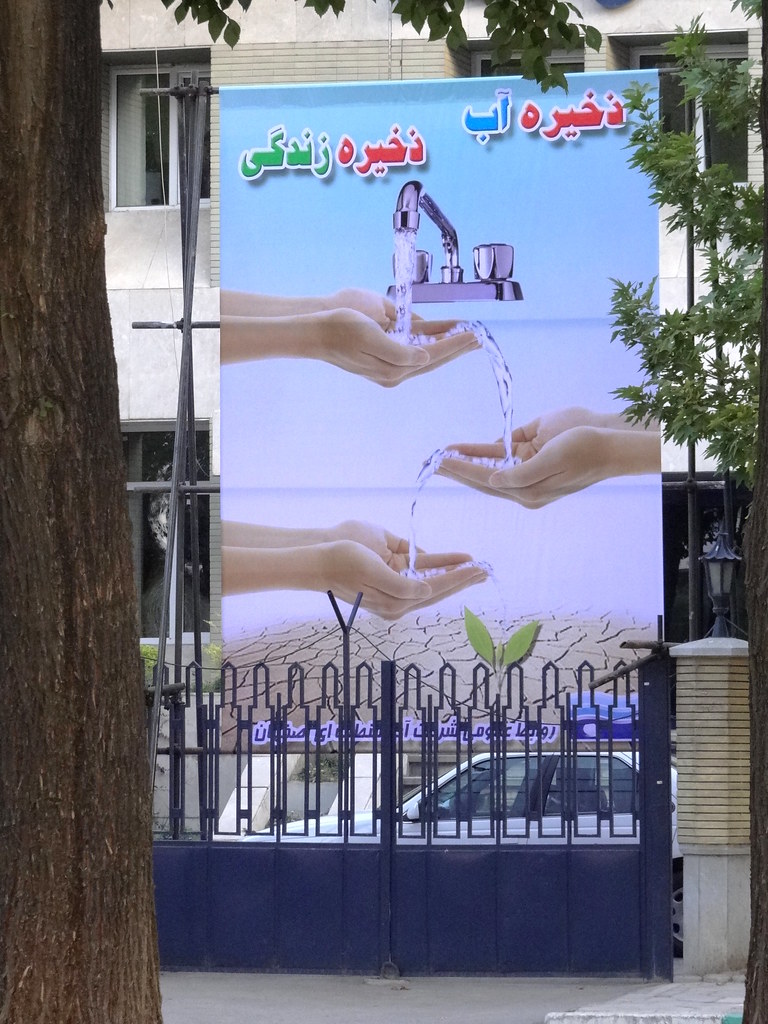
responsible water use is crucial for urban areas facing water scarcity. The newly launched Sujala campaign aims to promote sustainable practices among residents.
Understanding the Sujala Campaign
The Sujala Campaign, recently launched to promote responsible water use in urban areas, aims to address the growing concerns over water scarcity and its impact on communities. By raising awareness and encouraging sustainable practices, the campaign seeks to empower residents to take ownership of their water consumption habits.
Key components of the Sujala Campaign include:
- Educational Workshops: These sessions focus on teaching residents effective water-saving techniques, such as fixing leaks and using water-efficient appliances.
- Community Engagement: Local organizations and volunteers collaborate to distribute informational materials and organize events that highlight the importance of conserving water.
- Incentive Programs: Participants can benefit from discounts on water bills or rebates for implementing water-saving technologies in their homes.
- Monitoring and Reporting: The campaign encourages residents to monitor their water usage and report any inefficiencies, fostering a community-centered approach to responsible water use.
By promoting these strategies, the Sujala Campaign not only aims to reduce water waste but also fosters a culture of sustainability among urban populations.
Importance of Water Conservation in Urban Areas
Water conservation is crucial in urban areas where population density and development often lead to increased pressure on local water resources. As cities expand, the demand for water rises, making responsible water use essential for sustainability. Without effective management, urban centers risk depleting their water sources, leading to shortages and increased costs for residents.
Moreover, urban areas face unique challenges that necessitate a focus on water conservation:
- Population Growth: Rapid urbanization leads to more households relying on the same finite water supply.
- Infrastructure Strain: Aging water systems are often inefficient, resulting in significant water loss through leaks and inefficiencies.
- Environmental Impact: Over-extraction of water can harm local ecosystems, affecting wildlife and plant species.
By adopting proven strategies for responsible water use, cities can mitigate these challenges. These strategies not only help ensure a reliable water supply for future generations but also promote environmental stewardship and community well-being. Initiatives like the Sujala campaign aim to educate residents about the importance of conservation and encourage practices that contribute to sustainable urban living.
Responsible Water Use: What It Means
Responsible water use refers to the practice of utilizing water resources in a sustainable manner, ensuring that both current and future generations have access to clean and adequate water supplies. In urban areas, where water demand often exceeds supply, the implementation of responsible water use strategies is crucial for maintaining the balance of local ecosystems and supporting the needs of the community.
Several key principles define responsible water use:
- Efficiency: Utilizing water-saving appliances and fixtures can significantly reduce water consumption in households and businesses.
- Rainwater Harvesting: Capturing and storing rainwater for irrigation and non-potable uses helps alleviate pressure on municipal water systems.
- Recycling and Reusing: Treatment and reuse of greywater for irrigation or toilet flushing minimizes waste and maximizes resource utilization.
- Public Awareness: Education campaigns, such as the Sujala campaign, promote the importance of responsible water use and encourage community participation.
By adopting these practices, urban areas can better manage their water resources, enhance resilience to climate change, and ensure a sustainable water future for all residents.
Challenges in Promoting Sustainable Practices
Promoting sustainable practices in urban areas presents several challenges that must be addressed to ensure effective responsible water use. One significant hurdle is the lack of awareness among residents regarding the importance of water conservation. Many individuals do not recognize how their daily habits contribute to water wastage, leading to a cycle of negligence.
Another challenge is the infrastructure in urban settings, where outdated plumbing and leaks can lead to significant water loss. Cities often struggle to maintain and upgrade these systems, resulting in wasted resources that could otherwise support responsible water use initiatives.
Additionally, there is often a disparity in access to information and resources. Low-income communities may not have the same access to educational programs or tools that promote efficient water use, exacerbating existing inequalities. To combat these issues, it is crucial to implement targeted outreach programs that address the specific needs of diverse communities.
Lastly, to effectively promote responsible water use, collaboration among government, businesses, and local organizations is essential. Without a unified approach, efforts to foster sustainable practices may fall short, limiting the potential impact of initiatives like the Sujala campaign.
Community Involvement in Water Management
Community involvement plays a crucial role in promoting responsible water use in urban areas. Engaging local residents in water management initiatives not only fosters a sense of ownership but also encourages sustainable practices that can lead to significant water savings.
One effective approach is the establishment of community workshops and educational programs that raise awareness about the importance of water conservation. These programs can focus on:
- Water-saving techniques: Teaching residents simple methods to reduce water consumption at home, such as fixing leaks, installing low-flow fixtures, and using drought-resistant plants in landscaping.
- Collaborative projects: Encouraging neighborhoods to work together on rainwater harvesting systems or community gardens that utilize efficient irrigation practices.
- Feedback systems: Implementing platforms where community members can report water waste and share their own water conservation success stories.
Moreover, local governments can facilitate these efforts by providing resources and incentives for community-led initiatives. By fostering a culture of collaboration and accountability, urban areas can significantly enhance their strategies for responsible water use, ensuring a sustainable future for their residents.
Proven Techniques for Effective Water Use
Effective water use in urban areas is crucial for sustainability and resource management. Several proven techniques can promote responsible water use among residents and businesses alike.
- Smart Irrigation Systems: Utilizing technology like drip irrigation and moisture sensors can significantly reduce water waste in gardens and parks.
- Rainwater Harvesting: Collecting rainwater for non-potable uses, such as irrigation and flushing toilets, helps decrease the demand on municipal water supplies.
- Water-Efficient Appliances: Encouraging the adoption of appliances that use less water, such as low-flow showerheads and dual-flush toilets, can make a substantial impact.
- Public Awareness Campaigns: Educating the community about the importance of responsible water use through workshops, social media, and local events fosters a culture of conservation.
- Leak Detection Programs: Implementing regular checks and repairs of municipal water systems can prevent significant water loss due to leaks.
By integrating these strategies, urban areas can enhance their water management practices and ensure a sustainable future for their communities. The collective effort towards responsible water use is vital for maintaining this essential resource.
The Role of Real Estate in Water Sustainability
The real estate sector plays a crucial role in promoting responsible water use in urban areas. As cities expand and populations grow, the demand for water increases, making it essential for developers and property managers to adopt sustainable practices.
One significant strategy is the implementation of water-efficient landscaping. This includes:
- Utilizing native plants that require less irrigation
- Incorporating drip irrigation systems to minimize water waste
- Designing green roofs that absorb rainwater
Additionally, new building codes emphasize the importance of installing water-saving fixtures such as low-flow toilets and faucets. These measures not only reduce water consumption but also lower utility costs for residents.
Developers are increasingly recognizing that sustainable buildings can enhance property value and attract environmentally-conscious buyers. Moreover, community engagement in water management practices fosters a collective approach, ensuring that all stakeholders understand the importance of responsible water use.
By prioritizing water sustainability, the real estate sector can contribute significantly to urban resilience and long-term environmental health.
Future of Urban Water Management
The future of urban water management hinges on the implementation of innovative strategies that prioritize responsible water use. As cities continue to expand, the demand for clean, accessible water is increasing, necessitating a shift in how urban areas approach water resources.
One promising direction is the integration of smart technologies that monitor and optimize water consumption. These technologies can include:
- Smart meters that provide real-time usage data to residents.
- Automated irrigation systems that adjust watering schedules based on weather conditions.
- Leak detection systems that alert authorities to water loss in infrastructure.
Moreover, promoting community engagement is essential for fostering a culture of responsible water use. Educational campaigns can empower residents to understand their water footprint and adopt sustainable practices. Collaboration between government entities, businesses, and citizens will be crucial in developing policies that encourage water conservation.
Ultimately, the success of urban water management will depend on collective efforts to innovate and adapt. By prioritizing responsible water use and harnessing technology, cities can secure a sustainable water future for generations to come.
By Adam Jones, Ph.D. – Global Photo Archive via Openverse
Where this came from
Related reading
Are Australian house prices the worst they’ve ever been? · Clean Energy Projects: What Are the Best Proven Strategies? · Portugal house prices see worst rise in EU this quarter